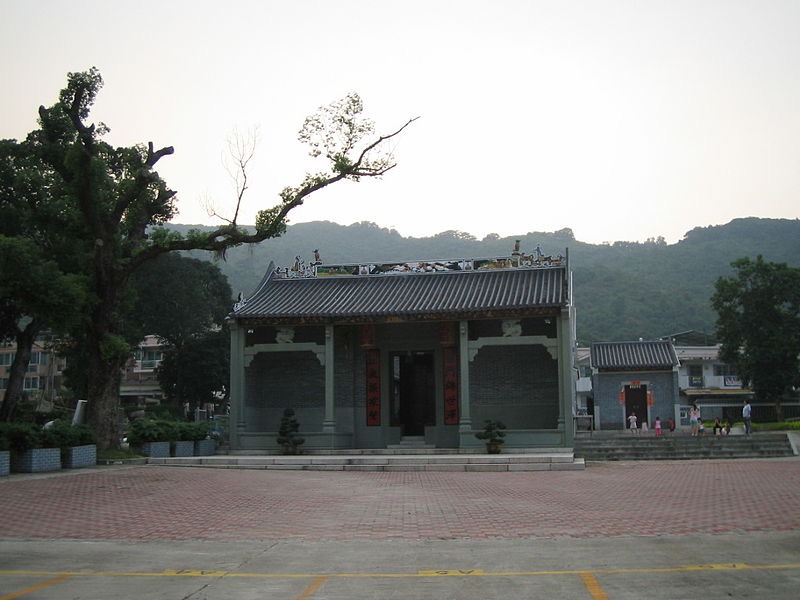
 THE ANCESTRAL HALL
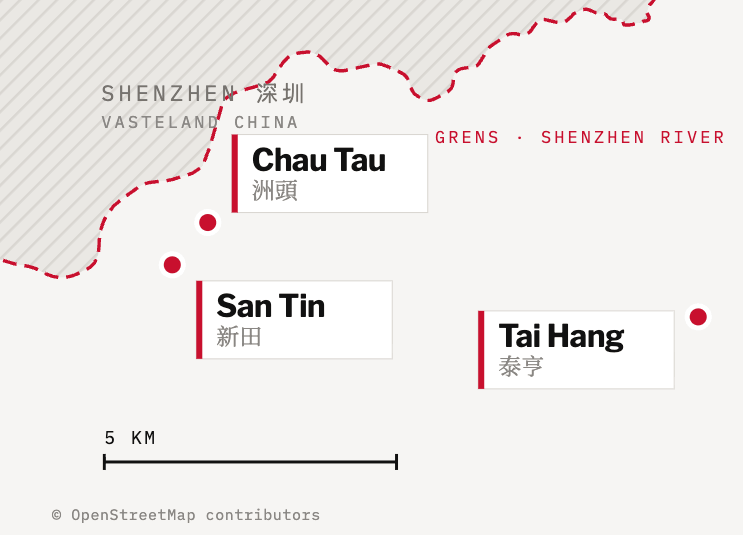
Tai Hang
泰亨The bloodline that branched off first, with an ancestral hall of its own.
- FOUNDER
- Man Yam · 5th generation
- HAMLETS
- Fui Sha Wai, Chung Sam Wai, Chi Tong Tsuen, Tai Hang Yeug
 Stichting Familie ManIN EUROPA
The village in the New Territories where the Man clan settled in 1429 – “New Field”, drained from marsh. San Tin isn’t the oldest Man village, but it is the one most of the family in Europe comes from. Together with Chau Tau and Tai Hang, it’s one of the three villages of our clan.
For those of us who grew up in Europe, San Tin is often just a name from our parents’ and grandparents’ stories. Yet the village is still standing: the ancestral halls, the Tai Fu Tai mansion, the fields that were once marsh. Here you’ll find where we come from – and how to get there yourself.
The Man clan was the last of the five great clans to move from China to Hong Kong. The fertile land had already been shared out – the Tang and the others got there first. What was left was marsh in the far north, up against the border.
The family drained it, grew rice on it and named it after what it had become: San Tin, New Field. It isn’t the first Man village: Tai Hang 泰亨 had been founded earlier, by another line. Chau Tau 洲頭 followed later, from San Tin.
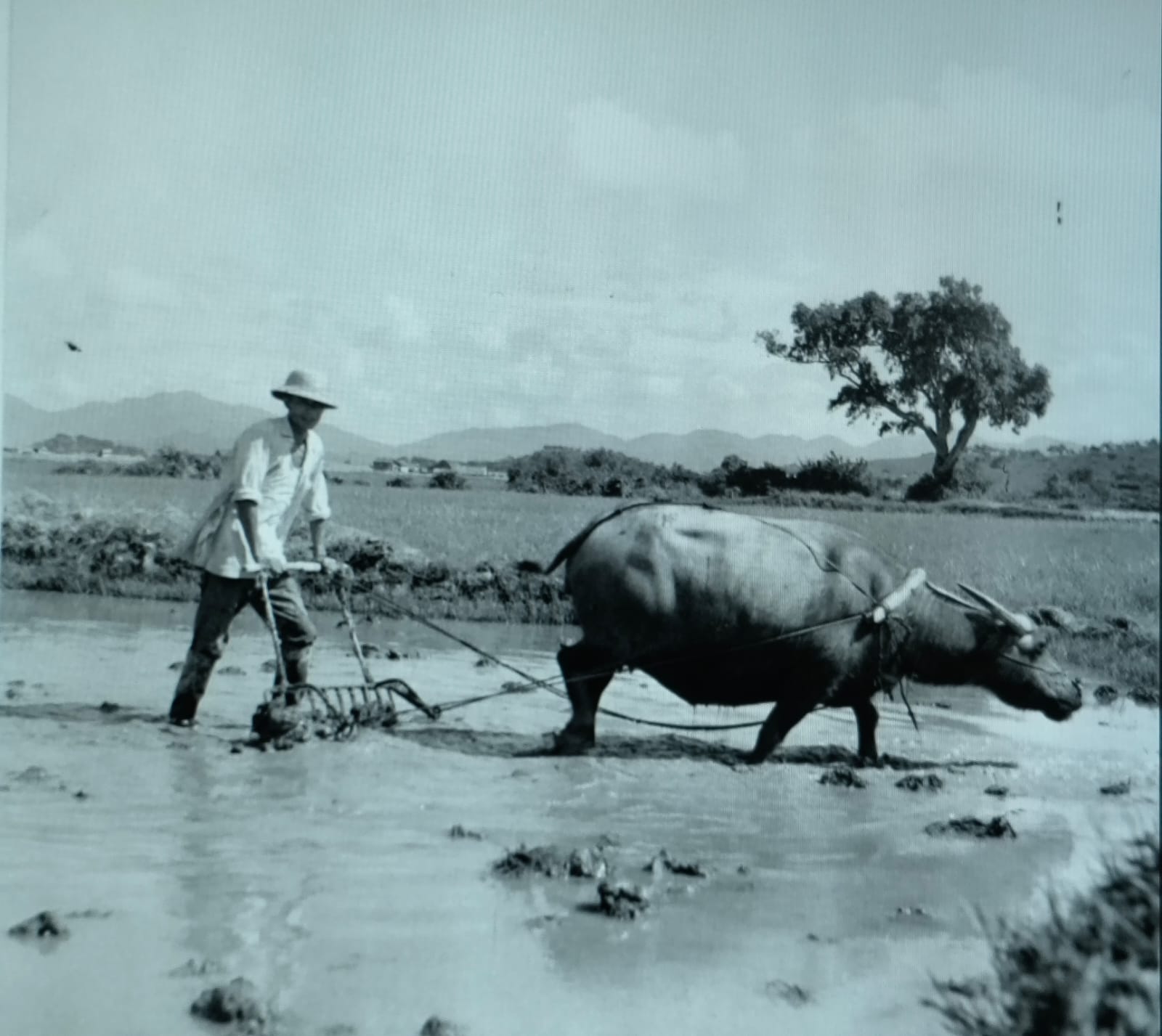 RICE FARMING IN THE NEW TERRITORIES
Every Man in the New Territories descends from Man Tin Sui 文天瑞, the cousin of Man Tin Cheung. He is the first ancestor, the 始祖 chi jou. His descendants founded three villages, each with a founder of its own: the 基祖 gei jou of that village. In San Tin the line has now reached the twenty-eighth generation.
THE ANCESTRAL HALLThe bloodline that branched off first, with an ancestral hall of its own.
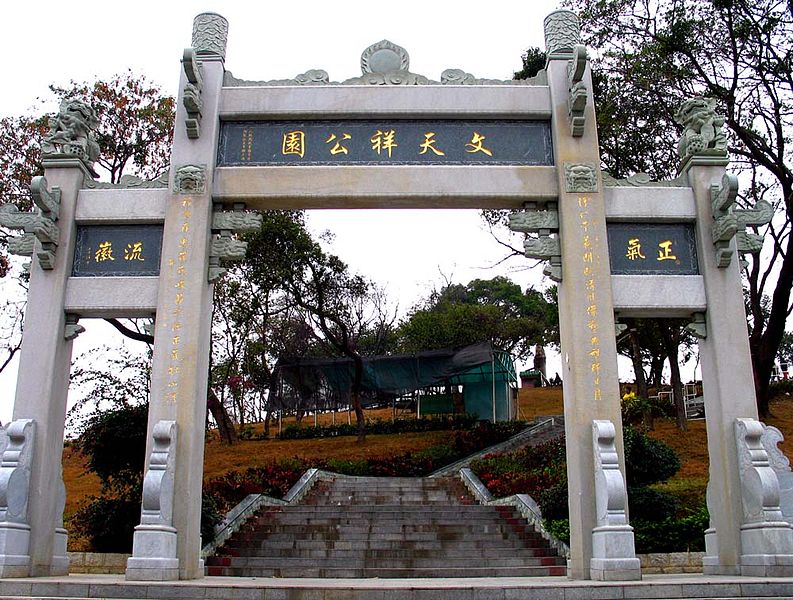 MAN TIN CHEUNG PARK
Founded in 1429. There’s also a park in memory of Man Tin Cheung.
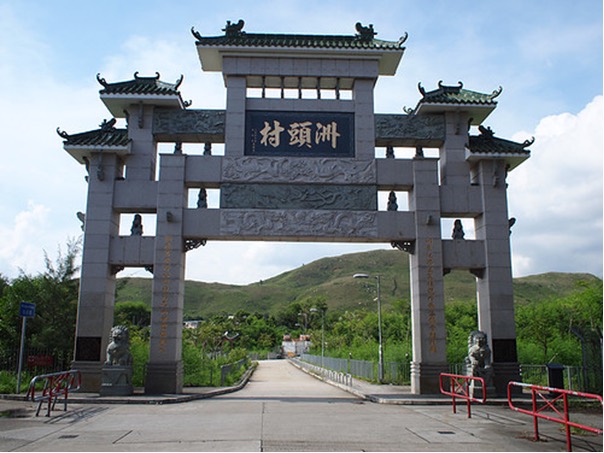 THE GATE
Founded by the grandson of Man Sai Gor: the youngest of the three.
Four places you have to see when you’re there – and that the clan still uses to this day.
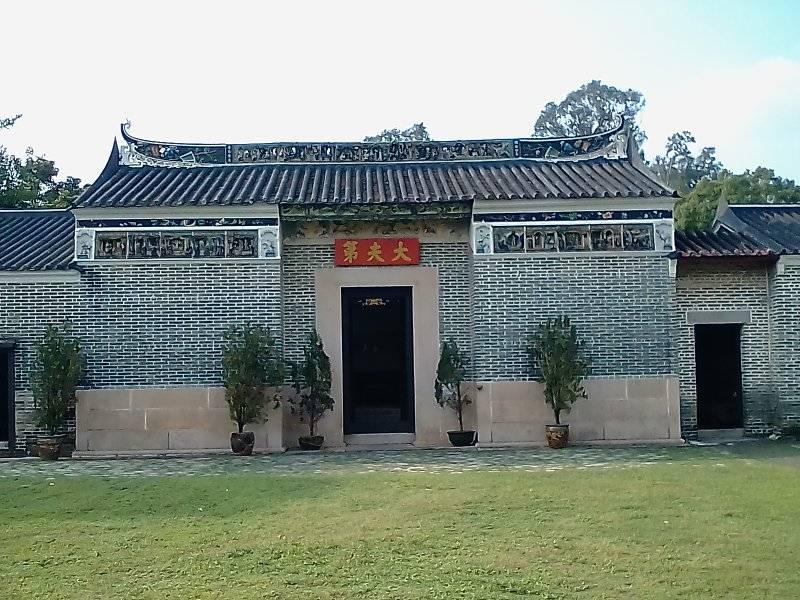
The mansion of a Man who did well in the 19th century: carved eaves, coloured glass and a façade that shows what the clan had achieved. Now a monument, free to visit.
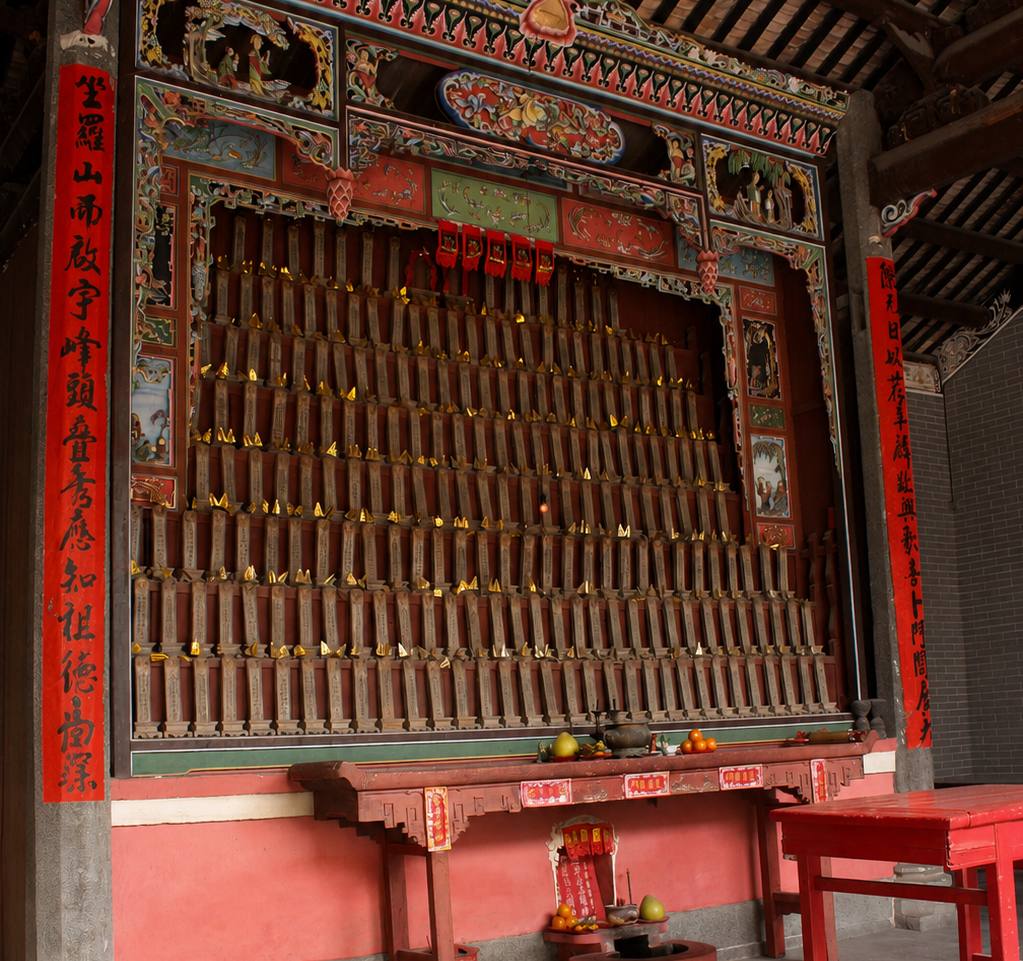
This is where the name tablets stand and where births, marriages and the autumn banquet are announced. Anyone coming back from Europe comes here first.
The great hall of San Tin, 文氏宗祠, dates from 1444 and in the 20th century doubled as the village school: the Tun Yu School.
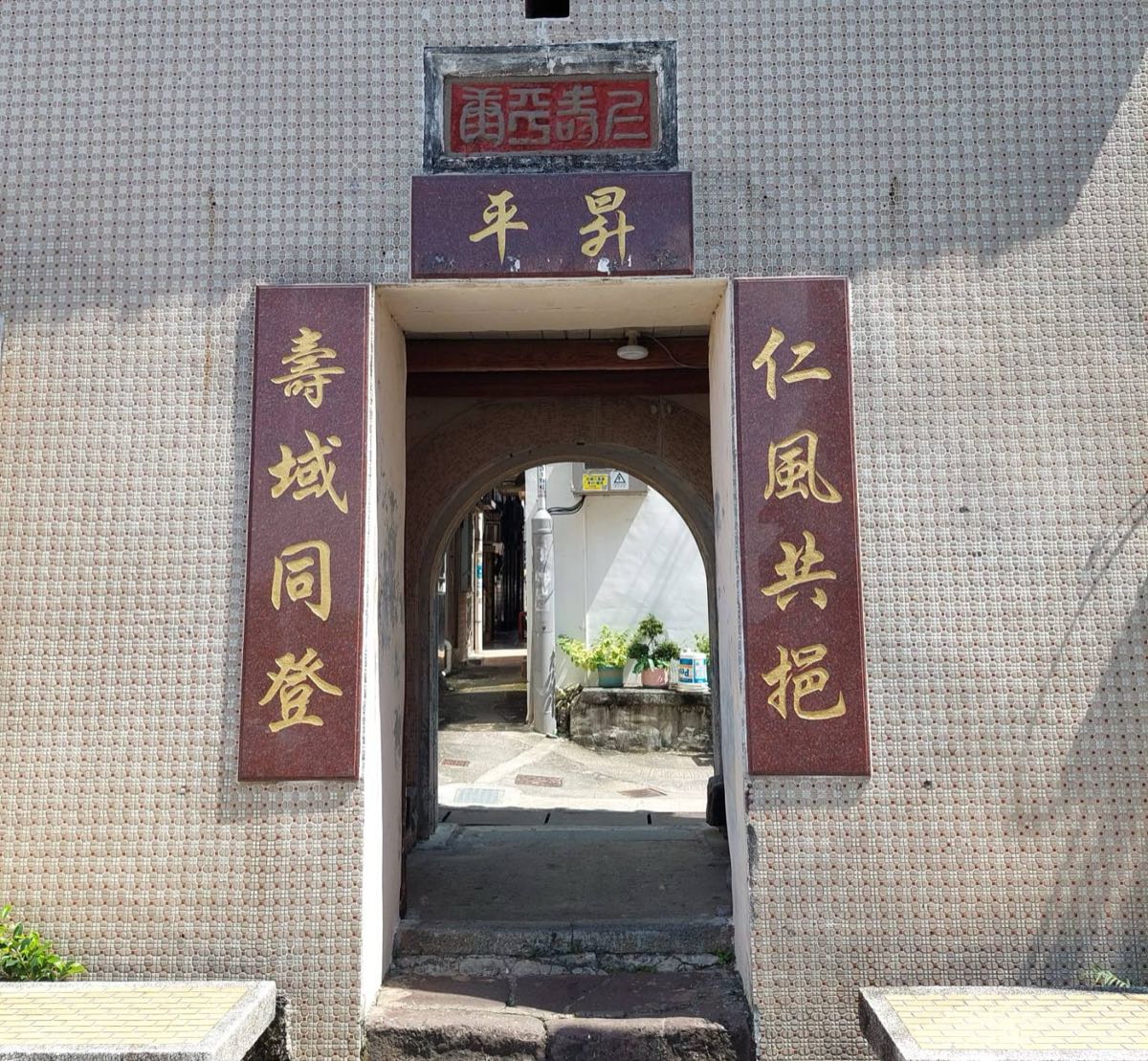
Narrow alleys, grey brick and houses built right up against one another – the original core, squeezed between new builds and the motorway.
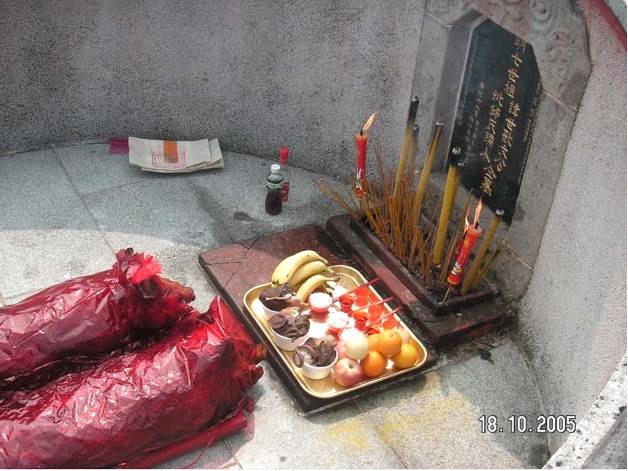
Man Sai Gor founded San Tin and is the grandfather of the founder of Chau Tau. His grave therefore belongs to both villages: San Tin and Chau Tau honour their founder there together. It isn’t in the village but on a hill near Tuen Mun, where he first lived. At Chung Yeung hundreds of descendants gather there, from Europe too.
Got old photos of the village or of family visits? Send them in – we’re building this block with pictures from the family itself.
Why almost all the men left within twenty years, how they travelled and how cousins helped each other: that story has a page of its own.
From the villages to Europe →San Tin is an hour from Kowloon. Tai Fu Tai is open to visitors; at the halls, just ask whether you can come in.