Stichting Familie ManStichting Familie ManIN EUROPA
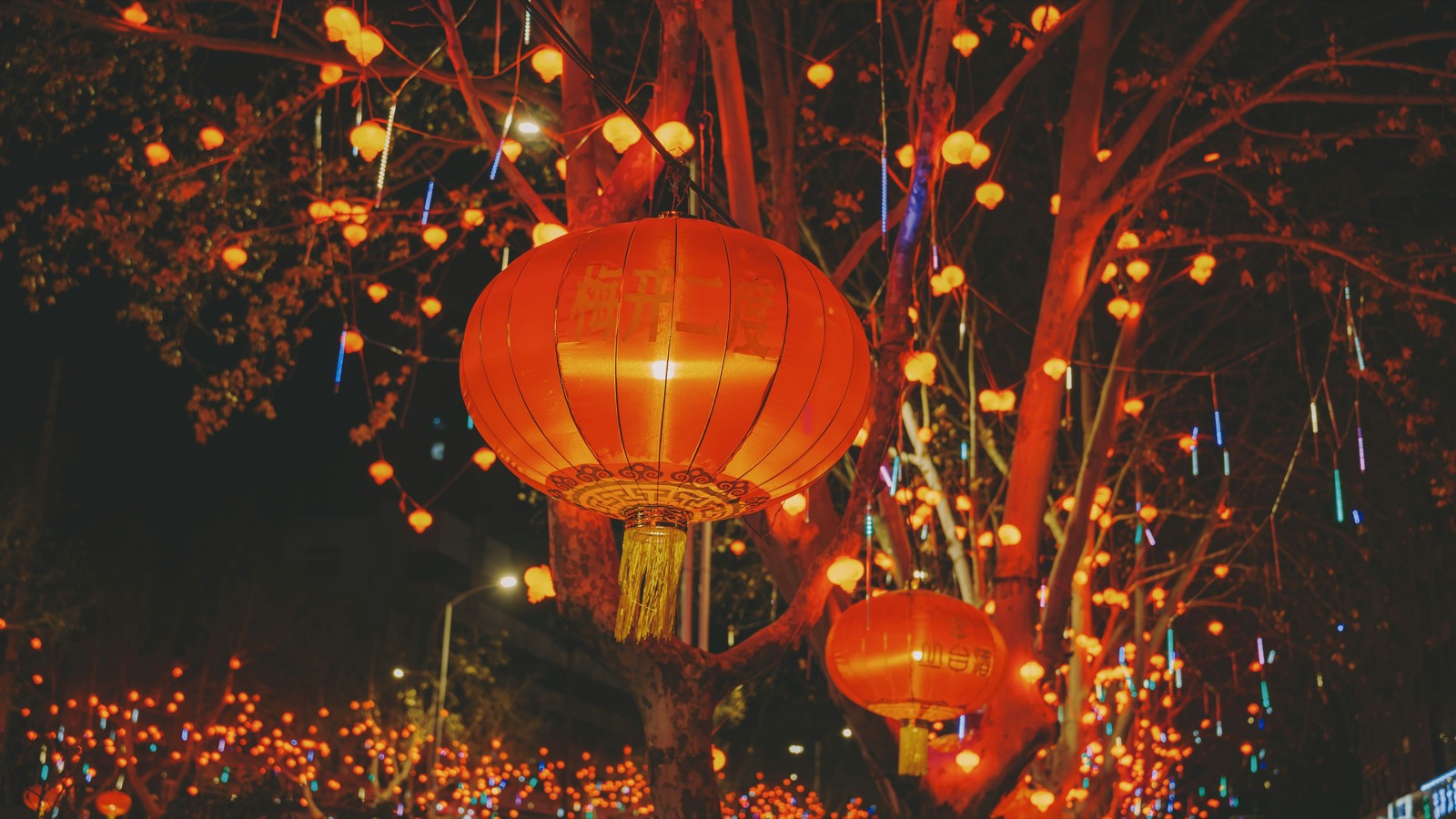
Red lanterns during the Spring Festival

Traditions throughout the year

Five moments when the Man family comes together – what we celebrate, where it comes from, and how to join in if you never learnt it at home.

THE SET-UP

Not a lecture, but a manual

Every tradition on this page comes in three layers: what it is, why we do it, and how it goes with us – in Amsterdam, at a round table, with relatives who sometimes don’t speak a word of Cantonese. At the bottom is a glossary of the terms you hear at every family gathering.

The year wheel

05 MOMENTS · LUNAR CALENDAR
新年JAN / FEB · 農曆新年

Chinese New Year

WHAT

Fifteen days of festivities around the first new moon. For us: the Spring Festival dinner at Sea Palace, and every four years the inauguration of the board.

WHY

Starting the year clean: settling debts, sweeping the house before New Year’s Day, and greeting the elders first.

HOW

Red envelopes (lai see 利是) you give with both hands, always new notes, never an odd amount. Married? Then you’re the one giving them.

清明APRIL · 清明節

Ching Ming – grave-sweeping day

WHAT

The day families clean the graves of their ancestors and bring food and incense.

WHY

For a clan that looks back this far, this is the hinge: no ancestors, no family. Ching Ming is about the recent ancestors: grandparents, great-grandparents and the generations before them. The founding fathers get their turn at Chung Yeung.

HOW

If you can’t get to Hong Kong, light incense at home by a photo. That counts too.

端午JUNE · 端午節

Dragon Boat Festival

WHAT

Rowing races and zongzi: sticky rice in bamboo leaf, steamed until it tastes of the leaf.

WHY

In memory of the poet Qu Yuan – a story of loyalty to your country that echoes that of Man Tin Cheung.

HOW

Within the family, each household makes or buys its own zongzi.

中秋SEPTEMBER · 中秋節

Mid-Autumn Festival – our biggest dinner

WHAT

The full moon of the eighth lunar month. Mooncakes, lanterns and tables for 200 to 300 relatives.

WHY

Round, full, complete – the moon as the image of a family back together.

HOW

Be on time: dinner really is served at 18:00. Cut the mooncake into as many pieces as there are people at the table.

重陽OCTOBER · 重陽節

Chung Yeung – the second grave day

WHAT

The ninth day of the ninth month: back to the graves, and traditionally a climb to higher ground.

WHY

Ching Ming is for the recent ancestors; Chung Yeung for the distant ancestors of the whole clan. On this day hundreds of descendants from San Tin, Chau Tau and Europe gather at the grave of Man Sai Gor 文世歌 near Tuen Mun – the busiest clan gathering of the year.

HOW

Travelling to Hong Kong in October? Let us know – there’s almost always family going along.

WHY WE DO THIS孝

Caring for those who cared for you

Behind almost everything on this page is one word: 孝, haau, usually translated as filial piety. It means respecting your parents and caring for them while they live, and going on remembering them once they are gone.

That is why you go to the graves at Ching Ming and Chung Yeung, why name tablets stand in the ancestral hall, and why the eldest at the table gets the best seat. It is less a belief than a way of being grateful – to your parents, and to the generations before them.

In the tradition, the line runs through the sons. A son stays in the family and carries on the offerings to the ancestors; a daughter passes to her husband’s family when she marries. That is why, at 點燈, a newborn son is entered into the hall.

ESSAY BY WAN LOI MAN →

Clan rituals

The customs that aren’t on any calendar, but that you need to know once you join in.

祠堂

The ancestral hall

Where the name tablets stand and where marriages, births and the autumn banquet are announced. San Tin has five; Tung Yu Tong 惇裕堂 is the main one. What you do there, and what you don’t.

拜山

Visiting the graves

The order of the offerings, what to bring, and why there’s always too much food.

飲宴

At the table

Who sits where, who pours first, how you say thank you with two fingers on the table – and why the fish is never turned over.

Glossary

CANTONESE · JYUTPING, ROUGHLY
利是lai seeRed envelope with money – luck, not a tip.
拜山baai saan“Honouring the mountain” – going to the ancestors’ graves.
祠堂chi tongThe clan’s ancestral hall.
月餅yuet bengMooncake – shared during the Mid-Autumn Festival.
盆菜poon choiBasin meal: meat, seafood and vegetables layered in one big basin, for ten people per table. The village meal at weddings and elders’ birthdays, often in the ancestral hall – eating from one basin together is the sign that you’re one family.
點燈dim dang“Lighting the lantern” – the ceremony in the ancestral hall that enters a newborn son, from one month old, into the line.
同鄉tung heungSomeone from the same village – for us: San Tin, Chau Tau or Tai Hang.
文氏Man siThe Man clan – our family name and line.
宗族jung jukThe lineage: everyone descended from one ancestor, with a shared genealogy book, hall and property. Strictly speaking, that’s what we are – a clan 氏族 only shares the surname.
房fongSegment: a branch within the lineage, with its own common ancestor.
始祖chi jouFirst ancestor – for us, Man Tin Sui 文天瑞.
基祖gei jouFounder of a village and its branch – Man Yam, Man Sai Gor, Man Ting See. The three villages
孝haauFilial piety: caring for your parents and going on remembering them. Why we do this
雁門Ngaan MunYanmen – name of origin of the family name 文, on name tablets and gravestones. More

Missing a word you heard at home? Send it to us – we’ll add what the family brings in.

NEXTRelatives in their own words To the interviews THE VILLAGESan Tin 新田Go to San Tin